

on capacity and isolation
dispatch 20

hey friends,
I would ask how you’re doing out there but well, (: gestures broadly :) no one is great. It feels extremely absurd to be sending out a newsletter in this current iteration of the apocalypse. I’m sending it anyway to provide a little distraction in your inbox (with the joyful and carefree topics of isolation and capitalism 🙃). And because frankly, sending these out is a way that I take care of myself. And we all need to be taking moments to care for ourselves and each other right now.
I won’t give you a “take” because there are enough of those on the internet and there is plenty of good work being done by folks who are more informed than I am on this topic. I can say that abortion access changed my life for the better and I believe everyone deserves safe, accessible healthcare, including abortion. If you’re looking for places to redistribute some funds this week, check out this list of abortion funds by state. The folks over at Rewired News Group do a great job at breaking down the courts, the long-arm implications of decisions like this, and possibilities for what’s next.
on capacity and isolation
Recently, I read an essay on techno-isolation under capitalism*. Written in 2017, it references work from the 1970s and 80s when a few cultural scholars foresaw online technology as a tool for social isolation aimed at dismantling the potential for working-class solidarity and community building. Reading it got me thinking about capacity building, community, and how technology shows up in my own life.
I came to the internet in the late 90s/early 2000s, when it was being sold as a great equalizer. Technology was coming to save us! It would increase access, improve communication, and make all of our lives better. Beyond the Y2K scare, it was framed as a chance for a techno-utopia, a societal do-over of sorts. Things have…not gone as planned. As I write this, Elon Musk has purchased Twitter for $44 billion, while Jeff Bezos owns the Washington Post. In some ways, tech has increased access and amplified unheard voices, but mostly it has maintained and more firmly entrenched existing power structures. We are always dreaming of utopias in the shade of oligarchs.
Considering online technology, as a tool that has been weaponized toward dismantling class solidarity is new to me but rings uncomfortably true to my experience. It feels important to consider the ways that screen time has diminished, and is diminishing, my capacity for complex, interpersonal relationships, while at the same time allowing me to access people, community, and resources that have been life-changing. Very few things are all good or all bad.
I’ve worked in the tech space, as a remote worker for nearly 4 years. Like many, I have a complex relationship with screens. At the end of a day of screen labor, I sometimes don’t feel the capacity to take care of even the relationships closest to me. I turn inward within myself and within my home and immediate family. I am notoriously bad at answering text messages or returning phone calls. I delete Instagram on a weekly basis, only to download it again. I doom-scroll the news. I skip recovery calls. Wherever possible I avoid tedious tasks by either eliminating them from my life or, in some instances, paying others to do them for me. I skip the basics like grocery shopping and car maintenance. I talk to people less. I off-load. I tell myself that I “deserve it”, a phrase with a sharp edge in a society where we need to earn our right to have our basic needs met, and for most people, they will remain unmet regardless of their labor.
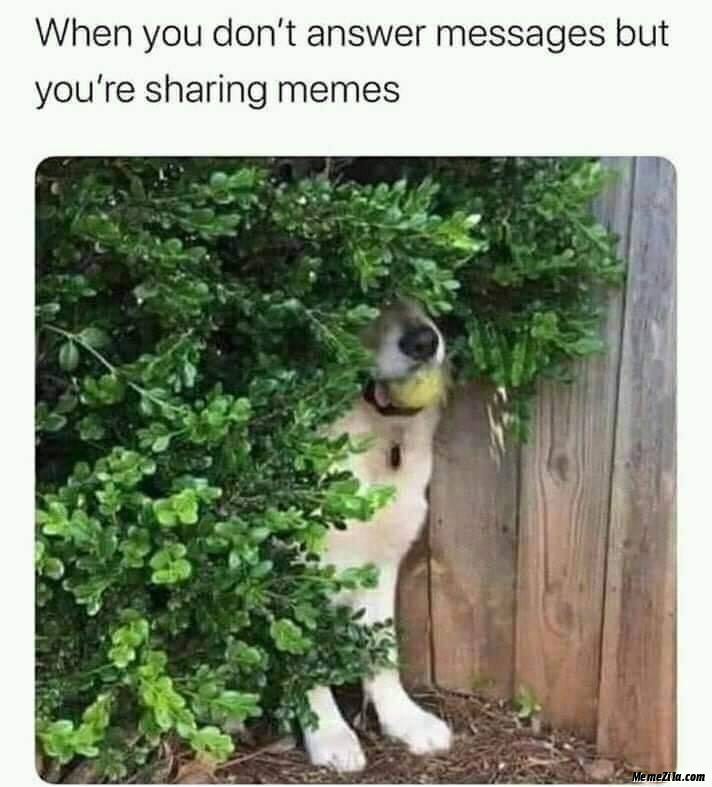
Online, I click the heart icon under memes about how the world and capitalism are exhausting and I am exhausted. In that small act, I feel relieved to not be alone but stop short of actual connection. I wonder if I am not isolating myself further, in a way that serves the means of a dying system. I believe strongly that a post-capitalist economy will be built on a foundation of strong, cultivated relationships. It will be built in community and solidarity and in increasing our capacity to do difficult things for ourselves and more importantly, for each other. What if the opposite of capitalism isn’t rest, but just a different kind of work? Relational work, practical work, with yes, rest amidst it all. I have been waiting for it to get easier, but maybe ease isn’t the thing to seek. There are so many skills to build.
Amidst this, there is guilt. I am the first knowledge worker in my immediate family. The people I come from are tradesfolk, dairy farmers, and housecleaners. They trade or traded in highly physical labor which makes my typing seem leisurely by comparison. I do not sacrifice my physical body for wages, so what do I have to complain about? What I sacrifice instead, is my mind. This is not a binary, I believe that my family members and I have sacrificed different combinations of both. And in this moment, I can’t stop wondering about how we make shifts in our material reality. How do I, personally, make shifts? How do I push past my own exhaustion to build the connections that I want to have in my life?
And on the other hand, where is being exhausted justified and fine? How will I know the difference? Acknowledging the impacts of existing within collapsing economic systems, a pandemic, structural oppression, and a world in which we must earn the right to food, healthcare, and shelter with labor is no small feat. There are privileges that I hold that mitigate some of these effects, and then there are impacts that I am not in control of.
The systems we live in take authentic things..connection, craftspersonship, connection to nature, and they hand them back to us with a kaleidoscope turn and a price tag. Here are follower counts and cheap goods and monster berries in the dead of winter. When I cannot opt-out completely, how might I shift my time, care, money, and attention towards what I want to see grow? How can I grow my capacity to live in more alignment with what I value?
This essay is mostly questions, and so I will end it with some small commitments/experiments I’m adopting towards a more aligned offline future.
Be here now. I may not be able to spend more time with friends and loved ones, but I can commit to more presence when I am experiencing those moments of togetherness. I commit to intentional attention, to muting apps, and putting away my phone.
Shift one purchase. I commit to researching and shifting one recurring purchase or service from a big-box retailer to a local minority-owned business or cooperative.
Get involved. I am lucky to live in a place with a legacy of working-class solidarity movements, and I have so much to learn. I’m going to sign up for one community organization that I can contribute to and learn within.
*Society Without Sociability: Late Notes About Margaret Thatcher and Jean Baudrillard by Franco ‘Bifo’ Berardi in Why Don't the Poor Rise Up? Organizing the Twenty-First Century Resistance edited by Ajamu Nangwaya + Michael Truscello
Assorted, rad things:
Inclusion On Purpose by Ruchika Tulshyan: Highly recommend for anyone who is managing a team or a community at work. This book is incredibly actionable and thoughtful about how we can make change and create equity as individuals, leaders, and within organizations.
Nigella Lawson Wants Everyone to Experience the (Thoroughly Guilt-Free) Pleasure of Food by Nigella Lawson: Came across this essay while reading Emiko Davies’ newsletter and heck I love it so much. On pleasure, intergenerational food and body shit, and joy. Her story of her mother breaks my heart every time I think about it, which has been often in the week since I first read it.
The music from Russian Doll (also holy hell, Russian Doll): Emotionally, I am still existing within Russian Doll Season 2. (My only singular note is one of disappointment that we didn’t get to explore Alan’s time-jumping queer euphoria.) I need to rewatch because there is more there around legacy, trauma, family in all its forms, time, and choice than one watch could unpack. The soundtrack is a paragraph of chef’s kiss emojis.
Hang in there friends. Take breaks, honor your feels, and do what you can. I’d love to hear what you’re pondering in your own life.
till next week,
lisa
This newsletter is reader-funded, the small percentage of folks who pay make this whole thing possible. That said, I’d love for you to put any funds you’d use to subscribe to support a local abortion fund this week. If you’re thinking of signing up, I’m happy to send you free dispatches so your funds can go where they are most needed, just reply to this email! Big thanks to those who support my work in all of the ways. Sharing is encouraged and appreciated. Feel free to send snoozeletter to a friend if you think they’d enjoy my work.
So much food for thought here an totallymakes sense, but I am genuinely too tired to make a salient comment. And spot on, love the meme.